If there is one thing we definitely know impacts our health, it’s sleep. Or rather a lack of it. Whilst some people famously seem to function and thrive on just a couple of hours a night, the evidence overwhelmingly points to it being detrimental for the rest of us.
In the short-term, lack of sleep impairs cognitive function. It affects people’s moods and weakens our immune system. It impacts our coordination and reaction times. According to authors like Matthew Walker (author of Why We Sleep), it can even shorten our lives. The impacts for sufferers of autoimmune diseases is far worse and often increases our pain, symptoms and quality of life dramatically.
I was an insomniac for years. I would lie awake at night absolutely despairing to the point of panic. I was always scared of the impact of my inability to sleep was going to have for the next day. I knew that the numbness in my limbs would be worse. My memory, energy levels, fatigue and mood would all be horrible for the day ahead. It could even trigger a full-blown relapse. It’s a catch-22. For MS sufferers like me, often pain or restless legs are the reason you can’t sleep – but then lack of sleep brings on a whole host of other painful symptoms too.
I was first put on medicines to force sleep, in my case Zopiclone. But it is addictive and only meant as a short-term solution. The other issue I had was a significant drop in my heart rate (bradycardia) and frequent chest pain. I wouldn’t recommend it. I needed a natural solution.
Luckily, I was eventually able to improve my sleep after a course of group therapy combined with other strategies I had read about. Here are some of the most helpful things I learned that helped me finally get the rest I desperately needed:
Constructive worry
One of my biggest issues at night was racing brain. I was simply unable to stop thinking and worrying. I would replay the day before. I would fret about the day ahead. I focused on how a pain symptom might be the start of something bigger. How would I manage? How would I cope? And then have a panic attack. I spent most nights thinking with my eyes closed for several hours rather than having the restful, restorative sleep my body needed.
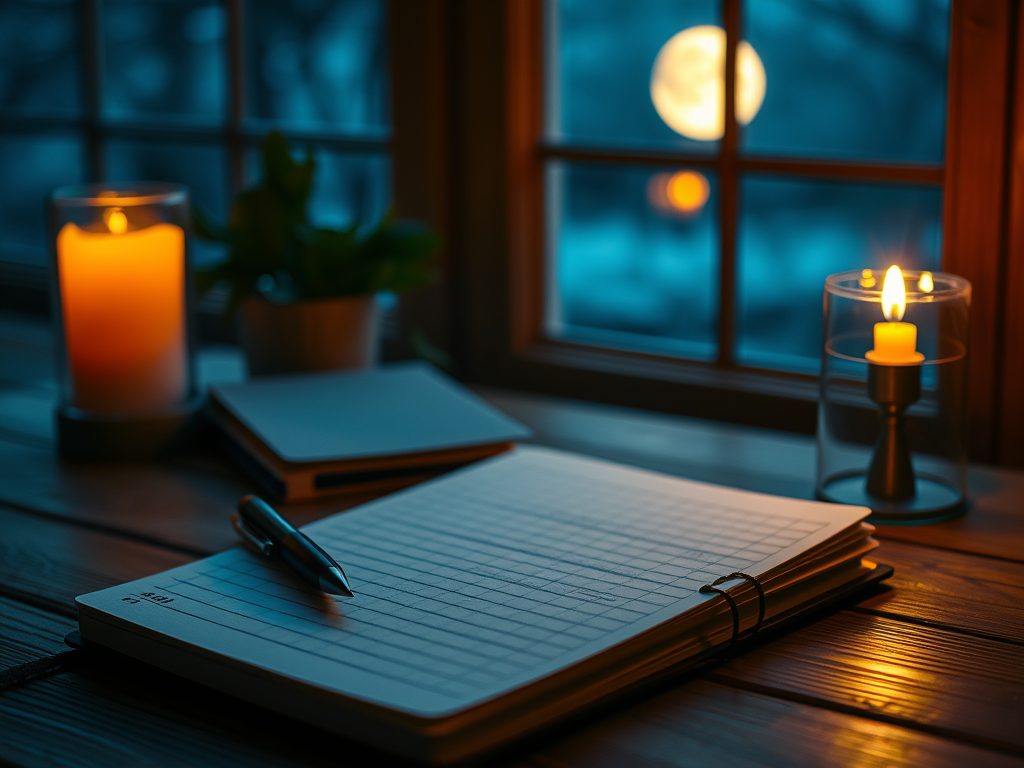
In therapy, I was introduced to the concept of constructive worry and started to incorporate it into my nightly routine. It works like this. Each evening, when you are ready to draw a line under the day and start winding down for bed you take a piece of paper or notebook and make three lists:
- Write down everything good that happened that day
- Write down everything bad that happened that day
- Make a list of things to do the next day
Having written your list, it is now time to review it. For each item on your good things list, ask yourself how to keep the good things happening. For each bad thing, make a note of anything you can do to change it. It’s not always possible but find the aspects of it that you can control. Finally, for each item on your to-do list, decide its importance. Mark it either with an E for essential, a D for desirable, or an O for optional. Ideally, you would have only three things on your essential list. This keeps things manageable if you have a bad symptom day tomorrow.
I found this to be really helpful in stopping my racing brain at night. I also made a habit of keeping a notebook next to my bed so any sudden thoughts of an important. task could be immediately recorded and I could focus on getting back to sleep.
Removing naps
Extreme fatigue is a huge issue for many of us with autoimmune diseases. I had frequently read that naps were beneficial to staying mentally sharp and alert throughout the day.
However, in sleep therapy, naps were strongly discouraged. This was for the simple reason that napping would cause issues with sleeping at night. They explained that we have a “sleep tank”, similar to a fuel tank. As your day progresses your tank fills up making you increasingly tired for the night ahead. If you nap, your sleep tank then depletes and you will need to delay bedtime.
I didn’t nap during a work day. Instead, I found a quiet spot and used the Headspace app for a short guided meditation. For me, it worked. I felt energised afterwards. It was enough to finish the day without interfering with my ability to sleep that night.
No caffeine after 2pm
I used to rely on caffeine far too much to get through a day. Obviously, the lack of sleep made me feel it was necessary. But did you know it takes several hours to break down in your system? Apparently, half of it remains in your bloodstream after six hours. It might take up to ten hours to go completely.
In his book, Why We Sleep, Matthew Walker revealed something surprising to me. “Decaffeinated” coffee does not mean “Uncaffeinated.” It just means it has less caffeine than a normal cup of coffee. I know some of my very intelligent colleagues were also stunned. It seems so obvious when you know it but I was genuinely shocked that I hadn’t realised this sooner. It’s something to keep in mind if you are looking to reduce or eliminate caffeine or if you’re having a decaf coffee after dinner…
In the end, I stopped my day-long coffee binges. I now have white and green tea in the morning for a caffeine fix with added antioxidants. Then I switched to other delicious but caffeine-free herbal teas, such as mint or dandelion later in the day. I always end the day with a chamomile to wind down before bed. It’s a good one to drink whilst completing your constructive worry journal.

A warm bath
This was one recommendation from therapy I gladly adopted. Before becoming a mother, this was the step in my nightly ritual I looked forward to the most. Now I only get to do it a couple of times a week which is still enjoyable! After completing my constructive worry journal, it’s time to run a warm bath and light a candle. It sounds indulgent but who cares? Just relax.
The thinking behind this is that as the body cools down, you become sleepier. It turns out temperature has a big impact on our sleep. Interestingly, it’s not the warmth of the bath that makes us sleepier but the significant temperature drop that follows. This supports our natural circadian rhythms. Studies showed taking a warm bath an hour or so before bed reduced the time it took to fall asleep. People also said they felt better rested in the morning as well.

Circadian rhythms
Talking of circadian rhythms, these play a huge role in determining our overall sleep quality. In times of old, our lives and rhythms were governed by the natural world. We would wake and work whilst the sun was up and we would rest and recuperate when it was dark. But now we have artificial lights in the home and work place which send very different signals to our bodies.
A strategy I use is to expose my body to bright light—natural if possible—as early in the day as I can. This helps signal to the body that it is time to wake and starts a fresh circadian rhythm cycle. I usually take a few moments out on the balcony on a spring or summer morning. In the dark winter months, I use my lumie light while I eat breakfast and journal.
Similarly, keeping the lights dimmed at night also helps signal to the body that its time to wind down for bed and promotes the secretion of the sleep hormone melatonin. Having had a candle-lit bath, it would be daft to then have the home full of bright lights again. Keeping everything dimmed until you get into bed makes more sense for a good night’s sleep.
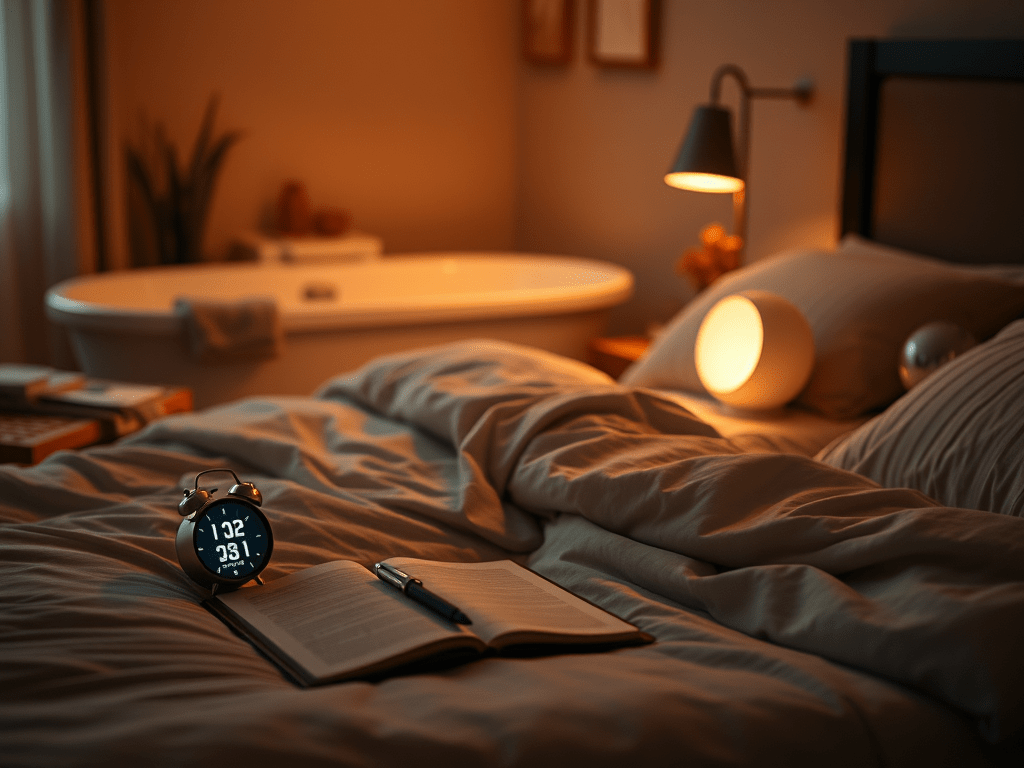
The other thing I have been using for many years now is the Lumie alarm clock. It has a sunset feature which dims to light over about half an hour supporting natural melatonin production and sleepiness. It also has a sunrise alarm. It is much more pleasant to be woken with light than being shocked awake by a horrible noise.
Anchor your wake time
Another recommendation from sleep therapy was to always wake up at the same time. This applies regardless of what time you go to bed. Keeping the same wake-up routine, even at the weekends, helps keep your rhythms and body clock consistent leading to better night time sleep. “But when do I make up the lost sleep?” I hear you cry. Answer: you don’t. Your body will slip into a deeper sleep for longer the next time you sleep to help your body recover.
White noise
The last thing I use which makes a big difference to me is a sound machine. Some people can’t sleep with any noise. I grew up in a noisy city so I actually find silence a distraction. It’s also fantastic to drown out the sounds of noisy neighbours when you really need some rest. I use the Dreamegg white noise machine which I have had for several years and been very happy with.
Other ideas
There are other things you could be doing, such as light yoga or stretching before bed. I used to do this before having young children. It certainly helped my body wind down and relieved tension from my body. This was especially important after being sat at a desk all day and feeling stiffness in my neck and shoulders.
The other thing other patients in group therapy took was prescribed Melatonin supplements. This is the hormone the body naturally produces to induce sleepiness but it can be given in a synthetic form. It’s not something I’ve ever tried and other participants didn’t seem to report much benefit. But, it could be something to discuss with your own healthcare providers.
I hope some of these ideas will help others. I’d also be keen to hear of any other strategies I’ve missed so please do share in the comments below.

 Empowered Montessori Mama
Leave a comment