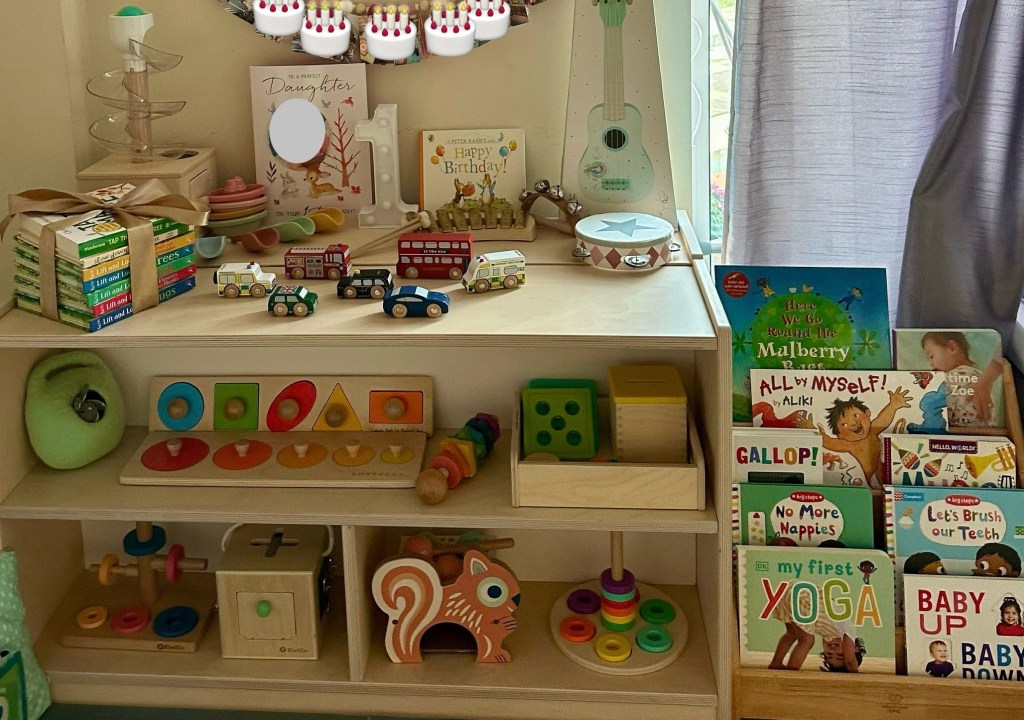
When I was pregnant, I read several books on the Montessori approach. I resolved to only purchase toys and books that aligned with the philosophy. This meant choosing good quality, passive and beautiful things to bring into the home. It also meant avoiding loud, flashy, plastic offerings that seem to be ubiquitous in most shops.
Naturally, targeted advertising meant I was getting a lot of online marketing from brands like Lovevery and Kiwico. At first, I ignored them, thinking it was all spam. However, I soon realised they were offering well-researched products. These products were scientifically backed and suitable for multiple stages of a child’s development.
Then came the issue of cost. Living on maternity allowance left very little in the budget for expensive subscriptions. I made list after list of the key materials for each age range. I was determined to only buy the essentials at a good price. I aimed to avoid subscribing to either. I spent days on end researching online. In the end, I did the exact opposite and ended up subscribing to Lovevery. To afford it, I put a little aside each month to cover the next play kit. I was separately gifted two years of Kiwico by a very generous relative.
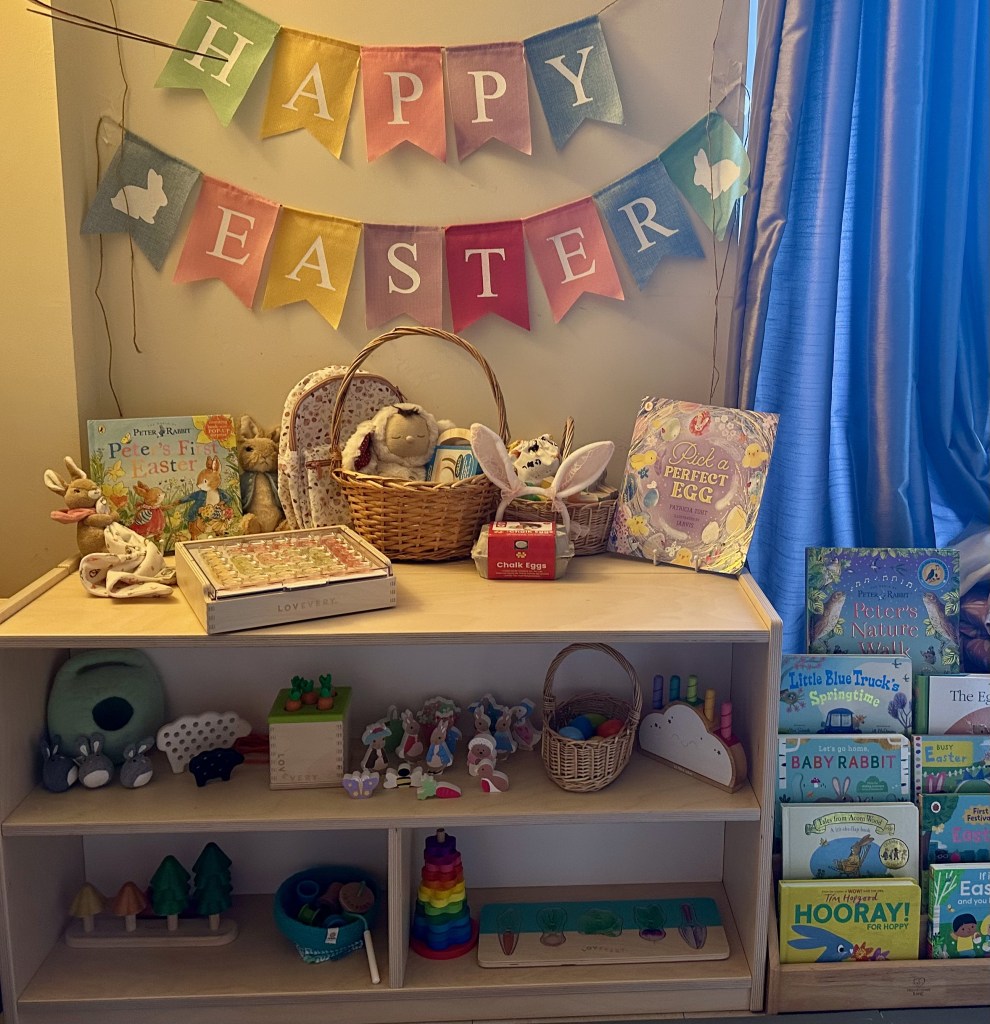
The u-turn followed hours of painstaking research hunting for cheaper alternatives for the materials I’d decided were essential. These included things like the spinning drum and the object permanence box. I found that the alternatives cost almost as much as the subscription boxes. They were far less attractive and far too busy in both design and decoration. I also had no idea of the quality of the product or the ethos of the manufacturer.
Over two years later, I have no regrets and ironically I feel I have saved money by taking this approach. My toddler still plays with toys that came in her baby kits. They are durable, long lasting and gender neutral. Now that I am expecting a little boy, I do not need to buy a single toy for him! The toys also hold their resale value. If you look after them well, you can sell them for another family to enjoy. Alternatively, you can donate them to a local toy library or charity shop. By the way, if you have those two subscriptions you really don’t need any other toys. It’s plenty!
Managing expectations
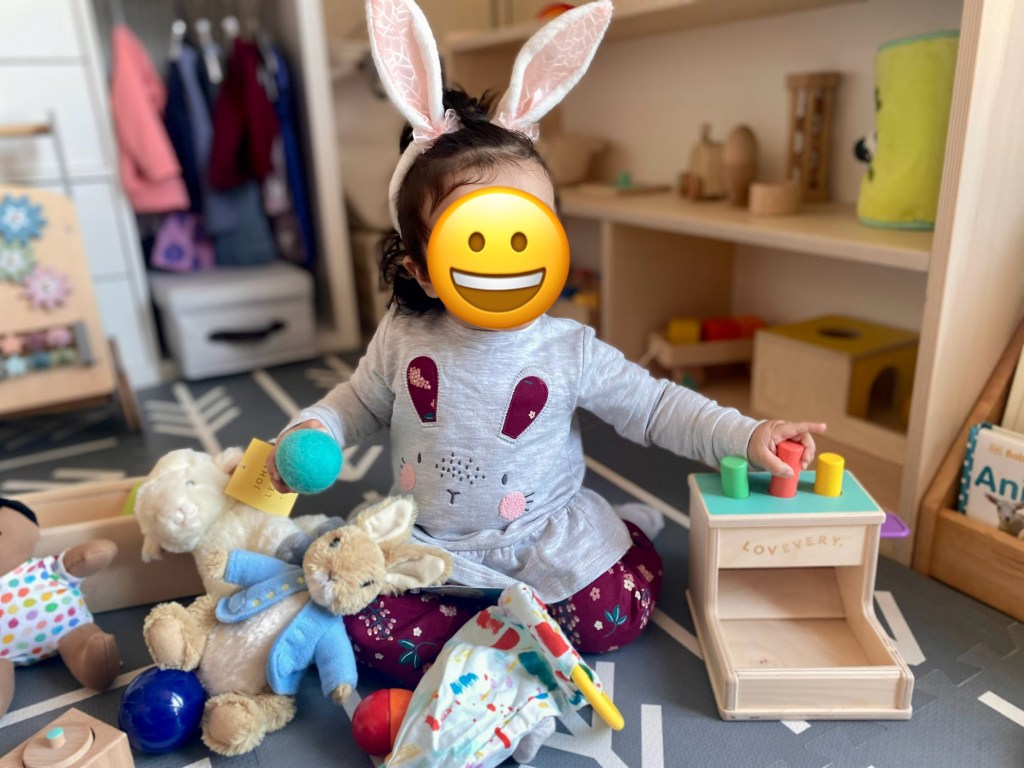
The other rule I implemented was that all the toys had to be given on an occasion. My daughter’s Lovevery and Kiwico toys have formed the bulk of her birthday and Christmas gifts since she was born. They filled her easter baskets and are split in two for autumn holidays like Diwali and Halloween. This way she doesn’t expect anything new outside of a special event. I use a toy rotation system in the home which works well to keep older toys feeling fresh and new. The enthusiasm she shows when a toy she hasn’t seen for a while appears on her shelf is lovely.
Those are not the only toys my toddler has in her collection. Many wonderful brands make toys that are natural, attractive and passive. They are of good quality and will keep your little one engaged for hours. Among our favourites are Grimms, Grapat, Plan Toys, Little Dutch, Hape, Tickit, Schleich, Ikea and Jaques of London.
* I tend to get my Grimms, Grapat and Plan Toys from Babi Pur. Feel free to use my referral link for a discount.
I also developed some general rules around the toys I choose:
My rules for toys:
- Close-ended and self correcting – Montessori-aligned materials should be closed ended meaning they focus on mastering one skill at a time. Classic toys such as the egg in cup or the knob cylinder puzzles have clear objectives. They are usually easy for a child to spot mistakes and correct themselves.
- Open-ended – There are many options like blocks, unit blocks, play silks, loose parts, and magnatiles. These toys allow the child to use their imagination. My daughter will often play with things in ways I would never have imagined. This behaviour just shows how innately creative our little offspring are.
- Passive – Passive toy = Active child. From what I’ve read, many toys with buttons and noises are entertaining for a short while. However, children soon lose interest. This loss of interest means more costs when you have to buy the next must-have noisy gadget.
- Made of natural materials – This is obviously important from the perspective of sustainability and the environment. You don’t need to be an eco-zealot to see that it’s unwise for a plastic toy to live on earth forever and possibly pose a risk to other living creatures. Studies have demonstrated clear benefits for children when they use natural materials. These materials encourage children to engage all of their senses.
- Durable – I want anything I spend my limited funds on to last through more than one child. It should be enjoyed for many years and hopefully then passed on for others to benefit from as well.
- Not replicate material she has at nursery – We are so lucky to have an outstanding and authentic Montessori nursery close by. My daughter has just recently joined. I have consciously tried to limit duplicate materials at home. This way, she can be excited about them at nursery.
When I do decide to purchase authentic materials for the home, I tend to buy them from Absorbent Minds Montessori. This is a good option if you don’t have a Montessori nursery nearby. You can still introduce your child to some of the materials at home.
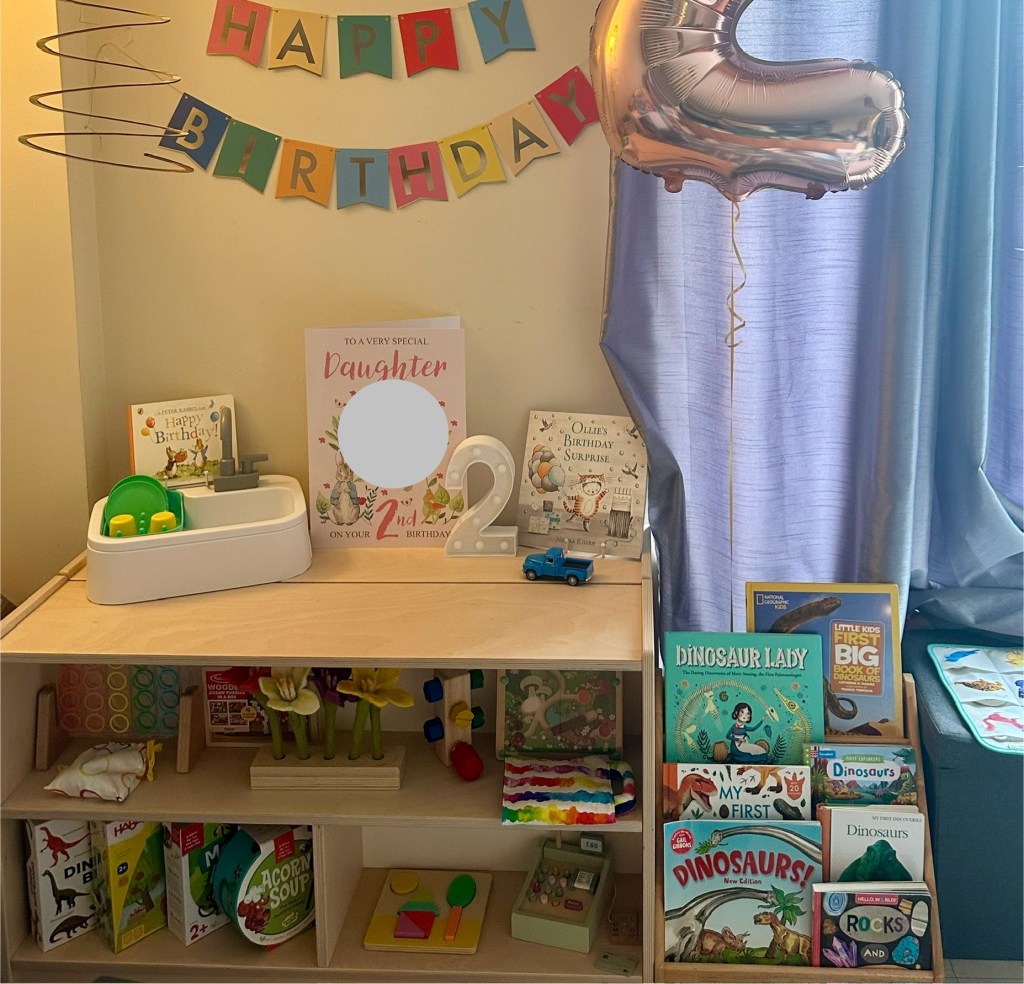
Importance of choosing quality over quantity
In essence, my focus is on wisely spending my limited financial resources. Many people get caught in the trap of believing that value for money means cheap. I don’t. I believe the things we purchase with our hard-earned money should be good quality, non-toxic and long-lasting. They should also support my children’s physical and cognitive development. Trust me, taking a value over cheap approach will save you money in the long-run!
I often see toys from Lovevery, Kiwico, Grimms, and others on Vinted, ebay and Facebook Marketplace. This is a good way to purchase the same pre-loved toys at a cheaper price if money is tight.
Subscription toy services:
- Lovevery – I am a big fan of Lovevery. The amount of thought they have put into all aspects of their business is impressive. They prioritise the latest research on child development. They also focus on sustainability and the environment. This makes them a company I’m happy to support. You always know what you are getting in each kit. You have the option to skip a particular one if you don’t want it. They have a lot of add-on support such as a free podcast and an app for subscribers. My daughter is obsessed with their books as well, which always feature photographs and realistic storylines.
There is a downside though. Being a US-based company, customers elsewhere in the world are often left waiting for new products. For instance, the play kits for the 4-5 age are still not an option for us here in Europe. I believe they are making a big effort now to co-ordinate new product releases globally.
- Kiwico – I have a love/hate relationship with Kiwico. My daughter loves the toys included in the subscription boxes. I have also purchased some items individually from their shop. However, some products are unavailable to overseas customers unless you purchase their pricier Plus kits. For instance, I had wanted their lovely lightbox set which is unavailable to buy on its own for overseas customers. They said I could have it if I paid $500 upfront for their plus subscription. However, there would be no guarantee I wouldn’t get duplicate products to those already purchased from their shop. The fact that they could send it to me meant there were no regulatory issues preventing it. In the end, I cancelled the subscription out of sheer frustration. It may be that I was caught out when they upgraded their crates. At the time, they did not clearly show which box a child would receive until it had been dispatched. For now, the subscription remains cancelled. My daughter still loves the toys we already have. I plan to rejoin when she is old enough for the more advanced STEM crates.
So to recap, focus on quality over quantity. Choose passive play over active play. Give only on special occasions to manage the child’s expectations and limit spending throughout the rest of the year. What about you? What rules do you have when investing in toys for your children?

 Empowered Montessori Mama
Leave a comment