A diagnosis like MS can make us feel as if our own body is fighting against us. We may think we’re powerless to stop it. I certainly felt that way. I’m sure you have heard the old adage stating that “food is medicine.” With so many diets and dietary experts out there, it can be difficult to distinguish what is right for us. I tried a couple, but I’ve found the most success with the Whole30 elimination diet (details below). It is the one diet that has enabled me to live with more consistent energy, reduced pain, and less brain fog.
There has been a growing consensus in the dietary world in recent years regarding the importance of an anti-inflammatory diet. Multiple sclerosis (MS) is often characterised as a chronic inflammatory disease, making it essential to focus on this aspect of nutrition. Compelling evidence now highlights the damage caused by Ultraprocessed Foods (UPFs) to our overall health. After listening to the book Ultraprocessed People by Chris van Tulleken on Audible, I became convinced that these foods should be out of my family’s diet.
But what about multiple sclerosis specifically? What evidence has there been on that? I did a lot of reading about, for instance, the Swank diet, which focuses on limiting fats. Or the Overcoming MS Diet – with its focus on the removal of dairy as well as many fats whilst focused on other healthy lifestyle interventions. It was all useful information to have. The MS Society website provides a good overview of diets meant for MS but I wanted to share my own personal experience as well.
It wasn’t until I found the viral Ted talk by Terry Wahls that I really started to take diet seriously. If she could rise up from a tilt-recline wheelchair with secondary progressive MS and live a relatively normal life, then perhaps diet could help me improve my fast declining health as well.
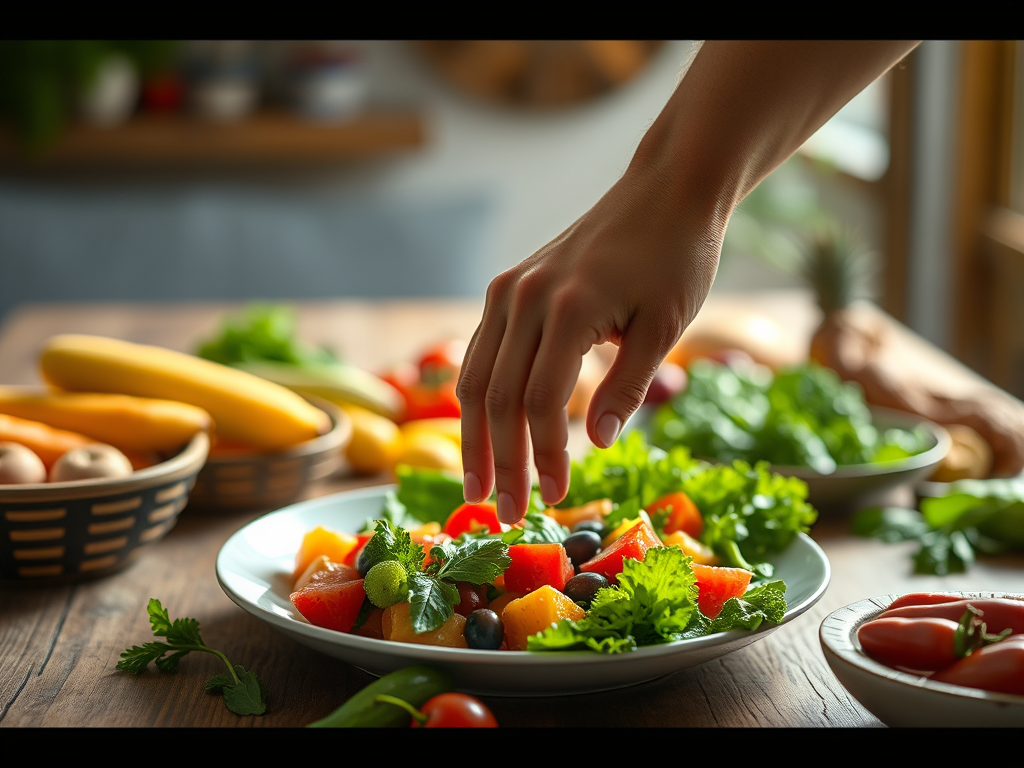
I read her book The Wahl’s Protocol (link below) and started to implement her level one diet which consisted of consuming the equivalent of one dinner plate of sulphur rich vegetables, one of leafy greens and one of colourful foods per day. By the time you’ve managed all that, you don’t have much room left for anything else anyway. I didn’t go any further as she advocates a lot of organ meat. I’m sure she’s right about its benefits to health, but I can barely stomach red meat yet alone organ. Essentially, she advocates for eating a paleo diet – one that our ancestors would have consumed before agriculture and farming became the norm.
“When food is wrong, medicine is of no use.
When food is right, medicine is of no need.”– Ayurvedic proverb
The Whole 30
I have enjoyed the most success with this one. I continued it for several years before becoming pregnant again. It is not for the faint-hearted. Many people mistake it for a fad weight-loss diet. It isn’t. Instead, it is an elimination diet that provides you with a valuable opportunity to see how your body uniquely responds to certain foods.
The rules sound simple enough – cut out five food groups for 30 days. Then reintroduce them one at a time to monitor how your body feels each time. It sounds easy until you read what the five groups are; dairy, sugar, grains, legumes and alcohol. These things make up the majority of a typical western diet. Cutting them out is not easy without careful planning, willpower and perseverance.
I started out by reading their book It Starts with Food (link below) in order to understand the reasons we were being asked to cut out certain food groups. It helped me to see why certain food groups cause inflammation in the body. This understanding kept me on track during the moments I wanted to give in and eat “normally” again.
“There is no food neutral. There is no food Switzerland. Every single thing you put in your mouth is either making you more or less healthy.”
-Melissa Hartwig
I stuck with it and felt the healthiest I’d been in years. Among the benefits I noticed were:
- Consistent energy levels – From about ten days in, once the toxins had left my body, my energy levels hugely improved. The hunger hormones were working properly again. I no longer had any peaks or crashes throughout the day.
- Reduced brain fog – I felt I was thinking clearly nearly all of the time. Cutting out certain foods, in my case bread, seemed to remove the frequent brain fog I experienced.
- Reduced nerve and joint pain – I no longer felt like i was walking on shards of glass, or that I was lifting each food out of mud-filled swamp with every step I took. My joints felt better and I felt more able to do the everyday things I used to before diagnosis.
- Fewer headaches – Whilst not thought to be caused by MS, I frequently suffered with crippling migraines or other head pains that can only be described as someone pouring hot tea directly onto my brain. These symptoms drastically improved on the diet.
- Weight loss – I initially lost all of my prednisone weight on this diet. Then, I lost 4 stone again, healthily, over a year following the birth of my daughter. Whilst this was not the primary reason I wanted to try the diet, it certainly was a welcome bonus!
- Clear skin – Another welcome side effect of eating well is clear, glowing skin. Can’t complain! I actually started to look as healthy as I felt.
- The good stuff gets sweeter again – Once you’ve cut out all the nasties for long enough, you won’t miss the artificial sweetness of heavily processed foods. You’ll find that fruits start to taste so much sweeter as your hormones and tastebuds return to how they should be. Just as nature intended it!
After noticing such an improvement, the Whole 30 became my default way of eating. The exceptions were on the 30th day of following the rules where I allowed myself a treat such as a pasta meal or a sneaky chocolate bar. The other exceptions were being abroad holiday, or limited special occasions such as my birthday or Christmas. Be strict about occasions or you’ll always be breaking the diet!
Tips for success:
- Plan ahead – this diet is not easy! It is essential to meal plan ahead of time and clear the cupboards and fridge of non-compliant food to give yourself the best chance of success.
- Find a partner – Find someone else (with strong willpower) to do it with you the first time.
- Read your labels – you’d be very surprised what they sneak into seemingly healthy food. Even some uncooked meats list sugar on the label…it’s in everything!
- Get to know your alternatives – many things are banned on the whole 30 so make friends with alternative options to add flavours to your meals. For instance, coconut aminos which you can get from most health food shops makes a good sub for soy sauce, worcester sauce, etc.
- Don’t cheat! – Sorry to put it bluntly but if you cheat and have something against the rules before the 30 days is up, the only person you are hurting is yourself. This could be your one chance to truly work out how to eat to be the healthiest version of yourself.
If you don’t want to subscribe to any particular diet, some general tips I would follow would be:
- Only consume foods you know – If you don’t recognise that thing on the ingredient list, don’t eat it!
- Cook from scratch – If it’s possible within your range of motion and energy levels, this is the best way to ensure you’re eating well. It is also the healthiest. You know exactly what is in your meal and can fully control what you consume.
- Use your gadgets – My energy slumps significantly during the day. To manage this, I sometimes make dinner at breakfast time by putting everything into a slow cooker. I also invested in a food processor and mini chopper to make life easier. I have permanent numbness in one forearm so this makes life much easier – and safer for me.
- Keep unhealthy stuff out of the home – Human willpower is pretty useless. If it’s not in your home, it’s not really an option during those moments you crave a sweet treat. I think I once read that a craving lasts on average for ten minutes. Keep yourself occupied with something else. You’ll soon have resisted the urge.
- Ask yourself one question when making food choices: “Am I helping or feeding my disease?”
Here are the links to the books I mentioned in the blog. As an Amazon Associate I earn from qualifying purchases.
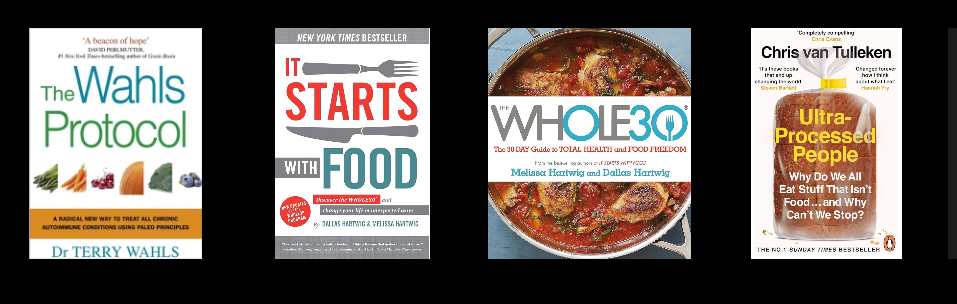
- The Wahls Protocol by Dr Terry Wahls
- It Starts with Food by Dallas Hartwig & Melissa Hartwig
- The Whole 30 by Dallas Hartwig & Melissa Hartwig
- Ultraprocessed People by Chris van Tulleken
What about you? Have you found a diet that has helped your symptoms? Let me know in the comments below.

 Empowered Montessori Mama
Leave a comment